
Dental implant technology has progressed far beyond its earlier versions, with surface design becoming one of the most significant areas of development. Modern implant surfaces are engineered to support stronger bonding, faster healing, and more predictable treatment outcomes. For patients considering dental implants Nantwich, understanding these advancements can provide greater confidence in the long-term performance of their chosen treatment. This in-depth guide explains how contemporary surface innovations raise the standard for stability, comfort, and durability.
Why Implant Surface Technology Matters
The surface of an implant plays a crucial role in how the jawbone responds during the healing process. While early implants relied on smooth or minimally textured surfaces, today’s systems use highly refined designs that encourage the bone to connect naturally with the implant structure.
How Surface Texture Supports Bone Connection
The surface of a modern implant is created to form a micro-level landscape that allows bone cells to attach more effectively. This close connection known as osseointegration helps the implant stay steady and functional for the long term. A smoother design cannot offer the same degree of biological contact, which is why today’s textured surfaces have become the standard.
Surface Treatments That Support Rapid Stability
Manufacturers now use specific techniques to prepare implant surfaces, such as sandblasting, acid-etching, and specialised coatings. These methods shape the surface in ways that encourage early bone engagement, reducing the period in which the implant feels fragile or unstable.
Types of Modern Implant Surfaces
Implants today are available with a range of surface characteristics, each designed to offer strength and reliability for different bone conditions.
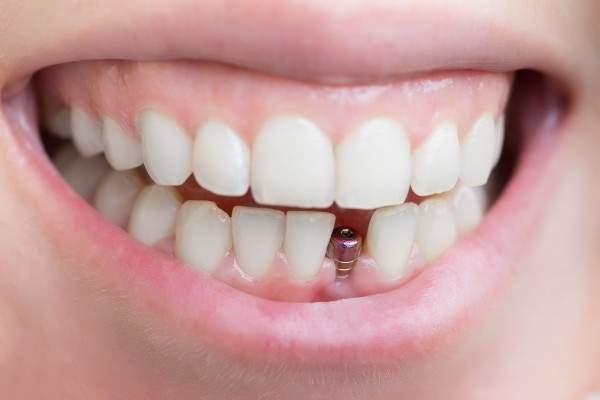
Micro-Roughened Surfaces
Micro-rough surfaces include tiny irregularities that allow bone matter to settle and grow firmly against the implant wall. This encourages quick bonding and can improve overall implant stability.
Hydrophilic Surfaces
Hydrophilic surfaces attract moisture, allowing blood and protein to spread evenly across the implant immediately after placement. This helps the healing environment remain stable, improving the early stages of bone development.
Nanostructured Surfaces
Some modern designs incorporate nano-sized texture patterns, which influence how bone cells behave at the microscopic level. This advanced feature can increase the speed and quality of integration.
Benefits of Modern Implant Surface Innovations
The evolution of implant surfaces offers several key advantages that older designs could not deliver.
More Secure Long-Term Support
A textured surface allows bone to grip the implant more effectively, resulting in a solid foundation similar to the support offered by a natural tooth root. This strength is particularly valuable for patients who want a dependable option for chewing and everyday function.
Lower Risk of Movement During Healing
Movement is one of the main reasons implants fail in the early stages. Surface innovations reduce this risk by generating faster bonding between bone and implant, keeping everything stable during the healing process.
Better Performance in Areas with Weakened Bone
Patients who have experienced bone reduction benefit from modern surface systems because these designs encourage more efficient bone growth. This can make implant treatment possible in cases where older implant styles would have struggled.
How Surface Design Affects Chewing and Comfort
Implant surfaces influence how well the implant integrates, which directly affects comfort and performance once the final crown is attached.
More Natural Chewing Power
A firm connection between bone and dental implants Nantwich provides a strong base for your replacement tooth. This stability helps restore confidence while eating, allowing a wider variety of food choices without worry.
Smoother Daily Function Without Slipping
Because modern implants remain firmly anchored, patients do not experience the small shifts that once occurred with early implant designs or removable replacements. Speech and daily movement feel more natural and controlled.
Why Implant Surface Technology Works Well With Modern Orthodontics
Many people considering implant treatment are also thinking about straightening their teeth. Treatments such as invisalign Nantwich can often be planned alongside implants, provided timing and bone healing are managed carefully.
Clear Aligners Work Around Completed Implants
Once an implant is fully integrated, aligners can shift natural teeth without affecting the implant. Because implants stay fixed, they provide stability even while surrounding teeth are guided into their new positions.
Supporting Aesthetic Goals With Functional Strength
Patients seeking a refined smile benefit from combining straightening treatments with long-lasting implant solutions that are built on advanced surface designs. invisalign Nantwich pairing supports both function and appearance.

How Surface Technology Helps Implants Last Longer
The durability of an implant depends on how well it integrates and how strongly it remains anchored in the jaw.
Reliable Structural Support Over Many Years
Advanced surface patterns interact with bone in a way that maintains long-term strength. This reduces the need for early replacement or complex maintenance.
Reduced Stress on Surrounding Bone
A strong connection between implant and bone helps distribute bite pressure more evenly, reducing stress on the jaw and supporting long-term oral stability.
Conclusion
Today’s implant surface innovations have transformed what patients can expect from tooth replacement treatment. Their advanced textures and biologically responsive designs encourage faster bone bonding, stronger long-term support, and comfortable daily function. For anyone considering dental implants Nantwich, these modern improvements make treatment more dependable, even in situations where older implant styles may have struggled to succeed. The expertise of Smilo Dental Implants Group further ensures that each stage of care is carried out with precision and attention to long-term oral health.