

Introduction
Nerve pain can be one of the most persistent and life-altering types of pain, often requiring specialized treatment options. Among the medications prescribed for this purpose, Aspadol Tab 100 mg has gained significant attention for its role in managing nerve damage pain. It contains Tapentadol, a centrally acting analgesic with a dual mechanism that makes it particularly effective for certain neuropathic pain conditions. As research continues to evolve, more healthcare professionals are turning to this medication for patients who struggle with 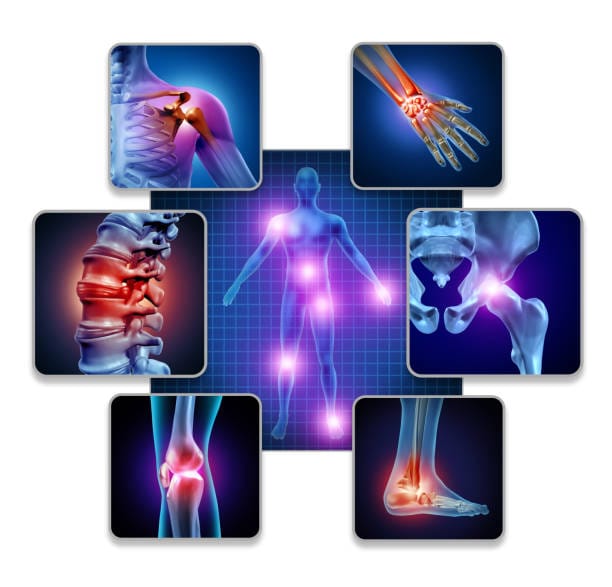 nerve pain resulting from injuries, diabetes, surgeries, or spinal conditions.
This in-depth article explores what current scientific research says about Aspadol Tab 100 mg, how it works on nerve pain pathways, its benefits, safety profile, and how patients typically respond to treatment.
1. Understanding Nerve Damage Pain: Why It’s Different
Nerve pain, also called neuropathic pain, is fundamentally different from muscle or inflammatory pain. It originates from malfunctioning or injured nerves rather than tissue inflammation.
1.1 Common Causes of Nerve Damage Pain
Diabetic neuropathy
Spinal cord compression
Herniated discs
Sciatica
Nerve injuries from accidents
Surgical nerve damage
Chemotherapy-induced neuropathy
Shingles (post-herpetic neuralgia)
Fibromyalgia-related nerve sensitivity
1.2 Symptoms of Nerve Pain
Burning sensation
Tingling or “pins and needles”
Electric-shock pain
Shooting pain down arms or legs
Numbness
Hypersensitivity to touch
Weakness
Unlike normal pain, neuropathic pain often continues even after the original injury has healed. This is why specialized pain medication like Aspadol may be recommended.
2. What Is Aspadol Tab 100 mg?
Aspadol Tab 100 mg contains Tapentadol, a prescription analgesic that works through two combined actions:
1. μ-Opioid receptor (MOR) activation
This reduces pain transmission from the nerves to the brain.
2. Norepinephrine reuptake inhibition (NRI)
This boosts natural pain-blocking chemicals in the spinal cord.
This combination makes it effective for mixed-mechanism pain, especially neuropathic pain, which doesn’t respond well to many standard painkillers.
3. How Aspadol Tab 100 mg Works for Nerve Damage Pain
Research shows that neuropathic pain is complex and often resistant to traditional analgesics like NSAIDs. Aspadol is different because it targets both peripheral nerve activity and central pain pathways.
3.1 Dual Mechanism Helps Nerve Pain More Effectively
MOR activation suppresses painful nerve signals.
NRI increases descending inhibitory pathways that naturally slow down nerve firing.
This two-fold action provides superior benefit in neuropathic conditions compared to opioids acting solely on MOR receptors.
3.2 Works Even When Other Painkillers Fail
Many neuropathic conditions do not respond to NSAIDs or weaker pain relievers. Studies show Tapentadol may help those who:
Do not respond to tramadol
Cannot tolerate gabapentinoids
Need stronger pain relief than NSAIDs can provide
3.3 Helps With Both Constant and Breakthrough Pain
Nerve pain often fluctuates. Aspadol’s fast-acting relief makes it suitable for intermittent flare-ups.
4. What Research Says About Aspadol Tab 100 mg for Nerve Damage Pain
Here is a breakdown of major findings from published clinical studies:
4.1 Research on Diabetic Peripheral Neuropathy (DPN)
One of the most studied uses of Tapentadol is in diabetic nerve damage.
Clinical trials show:
Significant reduction in burning and tingling sensations
Better nighttime sleep due to pain reduction
Improved patient satisfaction compared to some alternatives
4.2 Research on Chronic Low Back Pain With Neuropathic Component
Many back-pain patients also suffer from compressed nerves.
Studies concluded:
Tapentadol relieved both nociceptive (muscle-related) and neuropathic pain
Patients experienced improved mobility
Lower withdrawal rates due to better tolerability
4.3 Research on Osteoarthritis With Nerve Pain Contribution
Some osteoarthritis cases involve nerve hypersensitivity.
Findings:
Tapentadol improved joint pain with neuropathic features
Lower incidence of severe GI side effects compared to classical opioids
4.4 Comparison Studies Against Other Analgesics
Multiple studies compared Tapentadol to:
Tramadol
Oxycodone
Morphine
Results generally showed:
Similar pain relief for nerve damage
Better long-term tolerability
Fewer gastrointestinal problems
Lower risk of serotonin syndrome compared to tramadol
4.5 Research on Post-Surgical Nerve Pain
After major surgeries involving nerve disruption:
Tapentadol reduced sharp shooting pain
Allowed faster rehabilitation
Increased overall comfort for patients with nerve irritation
5. Benefits of Aspadol Tab 100 mg for Nerve Pain Patients
5.1 Faster Onset of Relief
Many patients feel noticeable relief within an hour of taking the tablet.
5.2 Effective for Both Chronic and Acute Nerve Pain
Aspadol covers:
Long-standing neuropathy
Sudden flare-ups
Pain radiating to limbs
5.3 Reduced GI Side Effects Compared with Pure Opioids
Because of its dual mechanism, Tapentadol often causes:
Less constipation
Less nausea
Better digestive tolerance
5.4 Helps Reduce Nerve Hypersensitivity
Aspadol reduces abnormal nerve firing patterns that contribute to:
Burning
Shooting
Electric-shock sensations
5.5 Improves Quality of Life
Patients often report:
Better sleep
Improved mobility
Reduced stress
Ability to perform daily activities
6. Potential Side Effects to Consider
Like all strong analgesics, Aspadol may cause side effects. These may include:
Constipation
Nausea
Vomiting
Dizziness
Headache
Drowsiness
Low appetite
Sweating
Severe effects (rare):
Breathing difficulty
Severe allergic reaction
Loss of consciousness
Medical supervision is essential for safe use.
7. Who Should Avoid or Use Caution with Aspadol Tab 100 mg?
Individuals should consult a doctor before using Aspadol if they have:
Breathing disorders
Severe liver or kidney issues
Alcohol or substance dependency history
Mood disorders
Head injuries
Low blood pressure
Pregnant or breastfeeding women should also seek medical advice.
8. Dosage & Medical Guidance (General Information Only)
Doctors determine dosage based on:
Severity of neuropathic pain
Patient tolerance
Other medications
Medical history
Patients must avoid:
Exceeding prescribed doses
Mixing with alcohol
Taking sedative drugs without medical approval
9. How Aspadol Tab 100 mg Compares with Other Nerve Pain Medicines
9.1 Aspadol vs. Gabapentin/Pregabalin
Gabapentinoids target nerve calcium channels
Aspadol targets opioid receptors + norepinephrine
Aspadol works faster
Good option when gabapentin fails
9.2 Aspadol vs. Tramadol
Tapentadol is gentler on digestion
Stronger nerve-pain relief
9.3 Aspadol vs. NSAIDs
NSAIDs help inflammation but not nerve pain
Aspadol works on central pain pathways
9.4 Aspadol vs. Morphine
Similar pain relief
Better tolerability
Lower constipation rates
10. Tips for Using Aspadol Safely for Nerve Pain
These are general health recommendations:
10.1 Maintain Hydration
Prevents constipation.
10.2 Eat Smaller Meals
Reduces nausea.
10.3 Avoid Alcohol
Prevents respiratory depression.
10.4 Track Your Pain Levels
Helps doctors adjust treatment.
10.5 Do Not Suddenly Stop
Stopping abruptly may cause withdrawal symptoms.
11. Lifestyle Strategies to Enhance Nerve Pain Relief
Medication works best when combined with healthy habits.
11.1 Gentle Exercise
Walking, stretching, and low-impact exercise promote blood flow.
11.2 Heat Therapy
Useful for stiffness associated with nerve compression.
11.3 Avoid Prolonged Sitting
Improves spinal nerve pressure.
11.4 Balanced Nutrition
Especially helpful for diabetic nerve pain.
11.5 Stress Management
Stress increases nerve sensitivity.
12. Can Aspadol Tab 100 mg Cure Nerve Damage Pain?
No.
Aspadol does not cure nerve damage—it manages symptoms by reducing pain signals and promoting comfort.
However, with consistent treatment, lifestyle changes, and medical oversight, many patients experience significant improvements.
13. When to Contact a Doctor Immediately
Seek urgent medical help if:
Pain worsens suddenly
Breathing becomes slow
Severe dizziness occurs
Allergic reactions appear
Symptoms of overdose (extreme sleepiness, confusion) appear
Frequently Asked Questions (FAQs)
1. Does Aspadol Tab 100 mg work for all types of nerve pain?
It works for many types, including diabetic neuropathy, sciatica, and nerve injury pain, but individual response varies.
2. How long does Aspadol take to relieve nerve pain?
Most people feel relief within 60–90 minutes.
3. Can Aspadol be taken for long-term nerve pain management?
Some patients use it long-term under strict medical supervision.
4. Is Aspadol safer than other opioids for nerve pain?
It has a better balance of effectiveness and tolerability, but medical monitoring is always essential.
5. Can I use Aspadol with gabapentin or pregabalin?
Only if prescribed; combining nerve-pain medicines requires medical oversight.
6. Does Aspadol interact with antidepressants?
Certain antidepressants may interact; only a doctor can evaluate safety.
7. Is Aspadol addictive?
It carries dependence potential like other opioids, so it must be used responsibly.
8. Does Aspadol reduce burning and electric-shock sensations?
Research shows significant improvement in these symptoms.
Conclusion
Aspadol Tab 100 mg is one of the more effective modern options for managing nerve damage pain, especially when standard painkillers fail. Research supports its dual mechanism, improved tolerability, and strong results for conditions like diabetic neuropathy and chronic low back pain with nerve involvement. While it offers significant benefits, it must be used carefully and only under medical supervision.
Patients struggling with chronic neuropathic pain often find meaningful relief and improved quality of life with properly monitored Aspadol treatment.