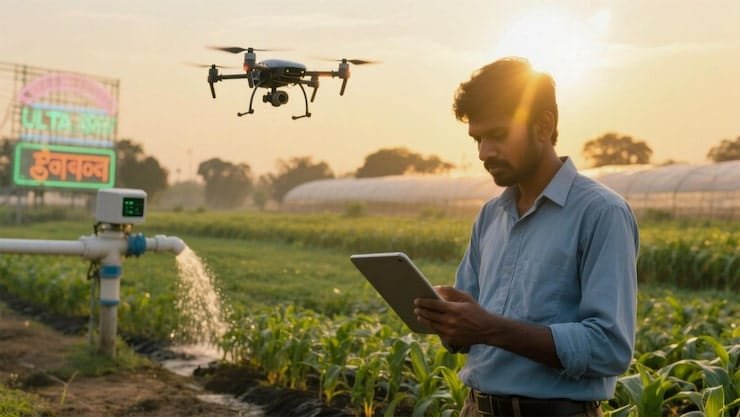

As sustainable agriculture gains momentum, farmers are increasingly turning to organic fertilizers to improve soil health and crop productivity. One of the most effective organic solutions is Chicken Manure Composting, a process that transforms poultry waste into a nutrient-rich, environmentally friendly fertilizer. At QL Farms, we specialize in producing high-quality organic fertilizers through carefully controlled composting methods that ensure safety, efficiency, and long-term soil benefits.
Understanding Chicken Manure Composting
Chicken manure composting is the biological process of decomposing poultry manure under controlled conditions. Raw chicken manure is rich in nutrients but can be too strong for direct application due to high nitrogen content and potential pathogens. Composting stabilizes the manure, making it safe and effective for agricultural use.
Through proper chicken manure composting, organic materials are broken down by beneficial microorganisms, resulting in a mature, balanced fertilizer that improves soil fertility without harming crops or the environment.
Why Compost Chicken Manure?
Raw chicken manure can cause nutrient burn, unpleasant odors, and environmental contamination if applied directly to fields. Chicken Manure Composting eliminates these risks while enhancing the fertilizer’s value.
Key benefits of composting include:
Reduction of harmful pathogens and weed seeds
Stabilization of nutrients for slow release
Elimination of foul odors
Improved handling and storage
At QL Farms, composting ensures our organic fertilizers meet quality and safety standards required for sustainable farming.
The Chicken Manure Composting Process
Producing high-quality organic fertilizer begins with a structured composting process. Each step plays a vital role in ensuring nutrient preservation and microbial activity.
Collection and Preparation
Fresh chicken manure is collected and mixed with carbon-rich materials such as straw, sawdust, or crop residues. This balance between nitrogen and carbon is essential for efficient composting and microbial activity.
Controlled Decomposition
The compost pile is carefully monitored for moisture, oxygen, and temperature. During Chicken Manure Composting, temperatures rise naturally, helping destroy pathogens and weed seeds. Regular turning ensures uniform decomposition and prevents anaerobic conditions.
Maturation and Curing
After the active composting phase, the material is allowed to cure. This stage stabilizes nutrients and produces a dark, crumbly compost with an earthy smell—an indicator of high-quality organic fertilizer.
QL Farms follows strict composting protocols to ensure consistency and effectiveness in every batch.
Nutrient Preservation and Enhancement
One of the major advantages of Chicken Manure Composting is its ability to preserve and enhance nutrients. Proper composting minimizes nitrogen loss while converting nutrients into plant-available forms.
Composted chicken manure provides:
Balanced nitrogen, phosphorus, and potassium
Essential micronutrients
Improved nutrient availability
This balanced nutrient profile supports steady plant growth without the risks associated with chemical fertilizers.
Enhancing Soil Health Naturally
Composted chicken manure does more than supply nutrients—it improves overall soil health. Organic matter from compost enhances soil structure, increases water retention, and supports beneficial microbial populations.
Soil benefits include:
Improved aeration and root penetration
Increased moisture-holding capacity
Enhanced microbial diversity
Through Chicken Manure Composting, QL Farms creates fertilizers that contribute to long-term soil fertility and resilience.
Supporting Sustainable and Organic Farming
Chicken manure composting aligns perfectly with sustainable and organic farming principles. It recycles agricultural waste into a valuable input while reducing reliance on synthetic fertilizers.
Environmental advantages include:
Reduced nutrient runoff
Lower greenhouse gas emissions
Improved soil carbon content
For organic farmers, composted chicken manure serves as a reliable nutrient source that supports certification requirements and eco-friendly farming practices.
Safe and Consistent Fertilizer for Crops
High-quality compost produced through Chicken Manure Composting is safe for a wide range of crops, including vegetables, fruits, cereals, and plantation crops. The stabilized nutrients prevent root burn and allow for flexible application methods.
Farmers benefit from:
Uniform nutrient distribution
Reduced risk of over-fertilization
Improved crop quality and yield
QL Farms ensures that its composted fertilizers are tested and processed for consistent performance.
Long-Term Benefits for Farmers
Unlike chemical fertilizers that offer short-term results, composted chicken manure delivers lasting benefits. Regular application builds soil fertility over time, reducing the need for frequent fertilizer inputs.
Long-term advantages include:
Improved soil productivity
Reduced fertilizer costs
Enhanced crop resilience
By adopting chicken manure composting, farmers invest in sustainable agricultural success.
Why Choose QL Farms for Chicken Manure Composting?
At QL Farms, we combine traditional composting knowledge with modern quality control to produce premium organic fertilizers. Our chicken manure composting process is designed to deliver safe, nutrient-rich products that meet the needs of today’s farmers.
Our commitment includes:
Strict composting and curing standards
Environmentally responsible production
Reliable nutrient content
Support for sustainable farming practices
We work closely with farmers to help them achieve healthier soils and better yields naturally.
Conclusion
Chicken Manure Composting is a proven method for producing high-quality organic fertilizer that enhances soil health, supports sustainable farming, and improves crop productivity. By converting poultry waste into a valuable agricultural resource, composting benefits both farmers and the environment.
With expertly composted organic fertilizers from QL Farms, farmers can embrace eco-friendly agriculture while ensuring long-term soil fertility and profitable harvests.