
Laser hair removal has progressed from a once-limited treatment into a refined system capable of treating a wide spectrum of complexions with precision. The greatest shift has occurred in how current technology supports individuals with deeper skin tones. Earlier devices struggled to separate follicle pigment from skin pigment, but modern engineering has shifted focus toward safer wavelengths, cooler delivery systems and controlled energy distribution.This blog outlines the scientific considerations behind treating darker skin tones, clarifying why specific lasers are chosen, how results develop and what clients can expect throughout the process.
Why Skin Tone Influences Laser Choice
Different skin tones possess varying levels of melanin, and this pigment plays a central role in how light is absorbed. With darker complexions, the upper layers of the skin contain more pigment, so the laser must bypass that layer and reach the follicle without causing unnecessary heat on the surface.
Those who undergo cosmetic treatments such as Teeth Whitening Wilmslow sometimes notice parallels in how pigment responds to targeted action. Whitening treatments interact with stain molecules, while lasers interact with follicle pigment. Both require precision though the science behind each is entirely different.
To ensure safety, laser practitioners select wavelengths that travel deeper into the skin, targeting the follicle while minimising surface impact.
Why Traditional Lasers Were Not Ideal
Older systems operated with shorter wavelengths that delivered a high concentration of energy near the skin’s surface. For deeper complexions, this often meant elevated risk of irritation or colour change. The device could not always distinguish between follicle pigment and skin pigment, leading to inconsistent results.
Modern systems approach treatment differently. They rely on longer wavelengths, refined cooling mechanisms and regulated energy release. These adjustments have reshaped the safety landscape for individuals seeking laser hair removal in Wilmslow, giving practitioners better tools to avoid heat-related reactions.
How Melanin Guides Treatment Technique
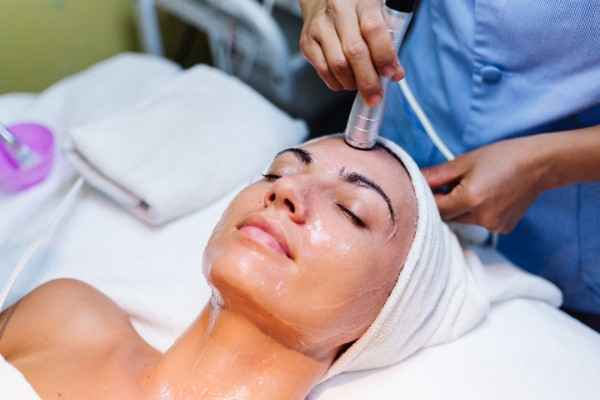
Melanin absorbs laser energy more readily than surrounding tissue, which is precisely why the follicle can be targeted effectively. However, an overabundance of surface melanin requires the laser to penetrate deeper and slower. The choice of wavelength helps shift the energy away from the upper layers toward the hair root.
Melanin-related considerations
- Higher pigment levels require careful calibration
- Cooling becomes essential for surface protection
- Longer wavelengths support deeper penetration
- Pulse duration must be adjusted for gradual heat delivery
The Role of the Nd:YAG Laser
The introduction of the Nd:YAG laser marked a turning point in safe treatment for deeper complexions. Its 1064 nm wavelength travels past the melanin-dense upper layers before releasing heat at the follicle level.
Because of its depth and controlled method, the Nd:YAG system has become a central tool for professionals who deliver Laser Hair Removal in Wilmslow, particularly when treating individuals with rich melanin levels.
Why Treatment Expectations Differ
Results depend not only on the laser itself but also on individual characteristics such as follicle depth, hair thickness and skin sensitivity. Darker skin tones may have slightly varied reaction times, making personalised treatment essential.
Many people are already familiar with gradual cosmetic processes such as the periodic renewal seen with teeth whitening Wilmslow and understand that treatments working beneath the surface follow a slower and more structured rhythm. Laser hair removal is no different: visible progress unfolds across several months.
Session Frequency for Darker Skin Tones
A typical treatment course spans several sessions, each scheduled weeks apart. This rhythm is guided by follicle cycles, not by arbitrary weekly or monthly timetables. Because only actively growing hairs respond to the laser, spacing must align with biological timing to avoid wasted sessions.
Individuals receiving Laser Hair Removal in Wilmslow often notice that early sessions feel more intense due to higher follicle volume, while later sessions feel milder and quicker.
Comfort Levels for Darker Complexions
The common assumption that laser hair removal is painful for deeper skin tones is outdated. Modern devices incorporate cooling tips, airflow systems and pulse control to help regulate sensation.
Comfort-related factors
- Cooling reduces surface heat
- Longer wavelengths bypass sensitive upper layers
- Gradual heat delivery supports tolerance
- Reduced hair density over time leads to less sensation
The Importance of Patch Testing
Patch testing is a critical part of treatment planning. It allows practitioners to assess the skin’s reaction to a small burst of energy before proceeding to a full session.
Patch tests ensure:
- Correct wavelength selection
- Appropriate pulse settings
- Minimal risk of pigment change
- Accurate assessment of comfort level
Preparation That Supports Better Outcomes
The condition of the skin before each session matters. Simple steps help maintain predictability and reduce the chances of irritation.
Helpful preparation habits
- Avoid tanning and direct sun exposure
- Shave the area one day beforehand
- Skip exfoliation for a short period prior
- Keep skincare gentle and fragrance-free
Aftercare Considerations for Deeper Skin Tones
Post-treatment care focuses on preventing unnecessary heat and irritation. Cooling products may be used, followed by avoiding intense activity that increases skin temperature.
Common aftercare recommendations
- Apply gentle moisturisers
- Avoid hot baths and vigorous workouts temporarily
- Use broad-spectrum sun protection
- Avoid strong acids and retinoids for a few days
Can Darker Skin Expect Long-Term Reduction?
Yes modern techniques allow for meaningful and lasting reduction. Coarse hair often responds particularly well because it absorbs laser energy efficiently. However, hormonal influences or natural hair cycles may occasionally lead to regrowth, and periodic maintenance sessions help sustain results.
Outcomes are shaped by individual factors rather than skin tone alone. With the right wavelength and settings, darker skin can achieve the same level of permanence as lighter tones.

Conclusion
Today’s laser technology allows individuals with deeper skin tones to undergo hair removal with confidence. Methodical wavelength selection, gradual heat delivery and structured care routines support both safety and consistent reduction. Through well-designed modern systems, the treatment becomes predictable rather than uncertain, offering individuals the chance to enjoy lasting comfort and convenience.Those seeking professional support can rely on BTWD Group, where careful planning and well-guided treatment practices ensure a dependable and reassuring experience.