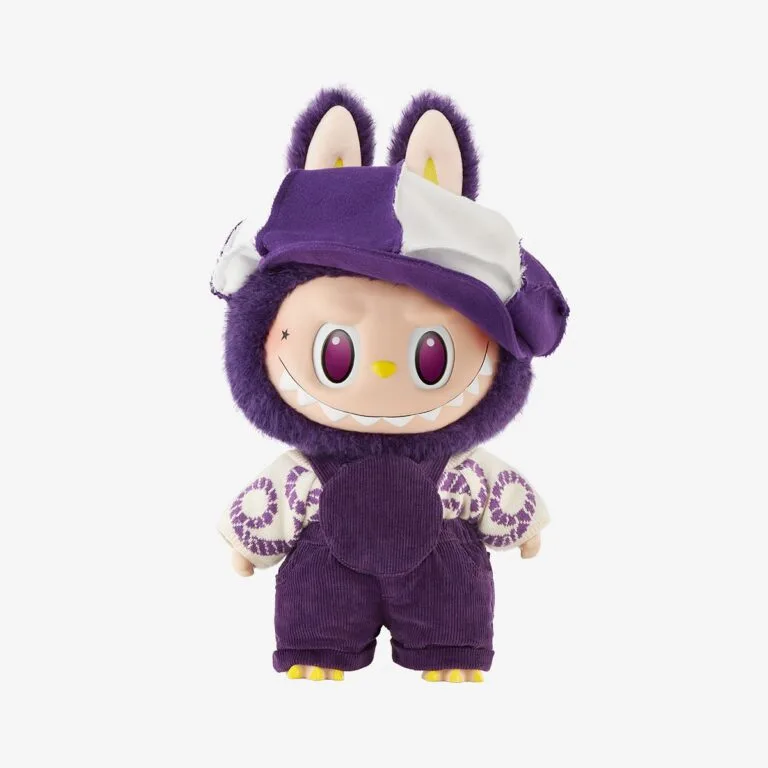

Berlin, a city known for its avant-garde spirit, has always been a hub where creativity, rebellion, and innovation converge. From its vibrant art scene to its cutting-edge fashion and underground subcultures, Berlin thrives on the labubu interplay of tradition and experimentation. Among the latest cultural sensations to sweep the German capital is Labubu, the mischievous yet charming designer toy that has evolved into a symbol of artistic expression and urban chic. What started as a collectible art figure from the creative mind of Hong Kong-based artist Kasing Lung has now found a second home in Berlin—becoming more than a toy, and transforming into a cultural phenomenon where art, pop culture, and fashion collide.
The Arrival of Labubu in Berlin’s Creative Landscape
Berlin’s embrace of Labubu was almost inevitable. The city, long celebrated for its acceptance of alternative aesthetics and unique self-expression, provided the perfect stage for this peculiar creature. Labubu’s quirky grin, spiky hair, and childlike innocence masked by mischief align seamlessly with Berlin’s own identity—a place that thrives on contradictions and reinvention.
When pop-up shops and exhibitions featuring Labubu began appearing in neighborhoods like Mitte and Kreuzberg, collectors and fashion enthusiasts alike flocked to see what the hype was about. What they found was not merely a toy, but an embodiment of the city’s spirit—playful, rebellious, and steeped in creativity. Berlin’s galleries and concept stores quickly became spaces where Labubu was displayed not as merchandise, but as art. It wasn’t unusual to see a Labubu figure sharing space with contemporary paintings, vintage streetwear, and experimental photography. This intermingling of art forms is precisely what makes Berlin—and Labubu—so fascinating.
Labubu as a Bridge Between Pop Culture and High Art
Labubu’s rise in Berlin’s art scene underscores a broader shift in how people perceive art and consumer culture. Once dismissed as mere collectibles, designer toys like Labubu are now recognized as legitimate art forms. Berlin, with its open-minded artistic ecosystem, was among the first European cities to recognize this transition. The lines between pop culture and fine art have blurred, and Labubu sits comfortably at that intersection.
Artists and curators across the city have begun to incorporate Labubu into their visual narratives. In gallery shows and street murals, the figure represents more than nostalgia—it embodies the playfulness and emotional complexity of contemporary urban life. Street artists have reimagined Labubu as a symbol of youthful rebellion, while fashion designers have embraced its imagery as part of limited-edition clothing lines. This fusion reflects Berlin’s ongoing dialogue between the accessible and the avant-garde, where even a toy can serve as a muse for serious artistic reflection.
Fashion Meets Playfulness: Labubu on the Streets of Berlin
In Berlin’s fashion landscape, Labubu’s influence is hard to ignore. The city’s fashion scene thrives on individuality and authenticity, values that Labubu naturally embodies. From designer collaborations to independent streetwear brands, Labubu’s whimsical form has been translated into wearable art. Berlin Fashion Week saw multiple local designers experimenting with Labubu-inspired prints, patterns, and silhouettes, celebrating the creature’s eccentricity as an emblem of personal freedom.
For Berlin’s youth, Labubu has become a form of identity expression—a wearable icon that rejects conformity. Whether it appears on oversized hoodies in Friedrichshain or minimalist accessories in Prenzlauer Berg boutiques, the figure stands for a fusion of nostalgia and modernity. Collectors who once displayed their Labubu figures on shelves now flaunt them as part of their streetwear ensembles, bridging the gap between fandom and fashion. This cultural exchange between fashion and collectible art echoes Berlin’s ethos: to defy boundaries and redefine aesthetics through experimentation.
Labubu and the Spirit of Berlin’s Subcultures
What makes Berlin unique is its subcultural diversity—techno, punk, art, queer, and DIY scenes coexist and feed off one another. Labubu, with its ambiguous expression and childlike form, resonates across these cultural tribes. Its presence at underground markets, art pop-ups, and club exhibitions mirrors the city’s embrace of hybrid identities.
In Berlin’s techno culture, where visual art often merges with sound and digital experimentation, Labubu installations have found a new context. The creature’s eerie yet endearing aesthetic fits naturally in dark, neon-lit venues, offering an artistic counterpoint to the city’s pulsating rhythms. Meanwhile, within the queer community, Labubu’s androgynous charm and playfulness symbolize freedom from traditional definitions—celebrating fluidity, acceptance, and the joy of being different. These overlapping interpretations make Labubu more than a collectible; it becomes a metaphor for Berlin’s inclusive creativity.
The Collector’s Scene: Berlin’s Growing Labubu Community
The collector community around Labubu in Berlin is expanding rapidly, blending the worlds of art investment, street culture, and fandom. Limited-edition releases and collaborations with renowned designers have created a vibrant secondary market, with pop-up events often selling out within hours. Berlin’s Labubu enthusiasts form a diverse group—artists, designers, students, and professionals drawn together by a shared passion for artistry and storytelling.
Collector meetups in cafes or art spaces often evolve into cultural gatherings where people discuss design philosophies, upcoming releases, and the emotional resonance of their collections. In a city known for valuing creativity over commercialism, Labubu’s success feels organic—rooted in community and artistic appreciation rather than pure hype. It speaks to Berliners’ desire for authenticity and creative connection in a world increasingly dominated by mass production.
Labubu as a Reflection of Berlin’s Artistic Evolution
Labubu’s presence in Berlin signifies more than a passing trend—it highlights the city’s evolution as a global art capital that embraces cross-cultural influences. Just as Berlin reinvented itself after historical upheavals, Labubu represents a reinvention of modern art: turning something playful into something profound. Through its integration into galleries, fashion runways, and everyday street culture, Labubu mirrors the fluid boundaries of creativity in the 21st century.
Berlin’s acceptance of Labubu reveals a collective yearning for sincerity in art—a desire to connect emotionally while still engaging intellectually. The character’s wide-eyed expression captures the innocence that art often seeks to preserve in a world of cynicism, while its mischievous grin reminds us that rebellion remains at the heart of creation.
Conclusion: A Cultural Collision that Defines a Generation
Labubu in Berlin is more than an LABUBU Box artistic collaboration; it is a cultural conversation. It bridges generations, disciplines, and ideologies, symbolizing how art, pop culture, and fashion can coexist harmoniously. In the city’s studios, streets, and galleries, Labubu continues to inspire dialogue—about identity, creativity, and the meaning of beauty in an ever-changing world.