
Have you ever driven past a sleek, modern home and discovered it was actually built from shipping container housess? Are you curious about whether this innovative housing trend could work for your lifestyle and budget? Perhaps you’re wondering how much a container home actually costs compared to a traditional brick-and-mortar build?
Shipping container houses living has exploded in popularity across Australia, and it’s easy to see why. These steel structures, originally designed to transport goods across oceans, are being transformed into stunning, affordable homes. From beachside retreats to urban dwellings, Australians are embracing this creative approach to housing like never before.
In this guide, we’ll break down everything you need to know about shipping container houses homes. You’ll discover the real costs involved, explore the benefits and potential drawbacks, and find design inspiration for your own project. Whether you’re a first-home buyer looking for an affordable entry point or someone seeking a sustainable lifestyle change, this article will give you the knowledge you need to make an informed decision about building a container home in Australi
What Is a Shipping container houses Home and Why Are They Popular?
A shipping container houses home is exactly what it sounds like—a dwelling constructed from one or more steel shipping container housess. These containers, typically measuring 20 or 40 feet in length, provide a ready-made structural shell that can be modified into comfortable living spaces.
The popularity of container homes Australia has grown significantly over the past decade. Several factors drive this trend. Housing affordability remains a major concern for many Australians, and container homes offer a pathway to homeownership at a fraction of traditional building costs. Plus, the sustainability angle appeals to environmentally conscious buyers who appreciate repurposing industrial materials.
What’s more, shipping container houses home designs have evolved dramatically. Gone are the industrial, bare-bones aesthetics of early projects. Today’s modern container homes Australia feature stunning interiors, clever spatial design, and all the comforts you’d expect from conventional housing.

How Much Do Shipping container houses Homes Cost?
So, how much is a container home? This is probably the question on everyone’s mind. The answer varies considerably depending on your vision and requirements.
Types of Container Homes Available
The container home market offers something for everyone, from ready-to-move-in options to fully customised builds.
Prefab Container Homes and Prebuilt Container Homes
Prefab container homes arrive at your site already fitted out with kitchens, bathrooms, and living areas. These prebuilt container homes offer the fastest path to moving in, often within weeks of ordering. They’re ideal for those wanting minimal hassle and predictable costs.
Modular Container Homes: Flexible Living Solutions
Modular container homes use multiple containers configured in creative ways. Stack them vertically, arrange them in L-shapes, or create courtyard designs. This flexibility allows your home to grow with your needs—start with two containers and add more later.
Prefab Container Cabin Options
For rural properties, a prefab container cabin makes an excellent weekender or guest accommodation. These smaller dwellings typically use a single container and can be placed on remote sites with minimal infrastructure requirements.
Prefabricated Container House vs Custom Builds
A prefabricated container house offers cost certainty and faster completion times. Custom builds, while more expensive, allow complete creative freedom. Consider your priorities—budget, timeline, and design flexibility—when choosing between these approaches.
Benefits of Shipping Container Homes
Container & prefab houses offer compelling advantages that explain their growing appeal.
Affordability and Budget-Friendly Construction
The primary draw remains cost savings. With housing prices continuing to climb, shipping container houses dwellings provide an accessible alternative. Young Australians particularly benefit, gaining homeownership without crushing mortgages.
Sustainability and Eco-Friendly Living
Each repurposed container keeps approximately 3,500 kilograms of steel out of the waste stream. Building a container home in Australia aligns with sustainable living principles, reducing the environmental impact of new construction materials.
Durability and Structural Strength
Shipping container housess are engineered to withstand extreme conditions at sea. They’re virtually indestructible, resistant to fire, and rated to handle cyclonic conditions—perfect for Australia’s varied climate zones.
Speed of Construction
While traditional homes take 9-12 months to build, many prefab container houses can be ready in 3-6 months. This accelerated timeline reduces holding costs and gets you into your new home faster.
Container House Interior: Design Ideas and Inspiration
Creating a beautiful container house interior requires thoughtful planning and clever design solutions.
Maximising Space in Your Shipping Container Houses Home Design
Smart storage solutions are essential. Think built-in furniture, under-floor storage, and vertical shelving. Open-plan layouts make spaces feel larger, while strategic window placement brings in natural light.
Consider these space-saving ideas:
- Murphy beds that fold into walls
- Kitchen islands with hidden storage
- Multi-functional furniture pieces
- Sliding doors instead of hinged options
Insulated Container Homes: Staying Comfortable Year-Round
Proper insulation transforms a steel box into a cosy home. Insulated container homes use spray foam, rigid panels, or wool batts to regulate temperature. Without adequate insulation, containers become ovens in summer and freezers in winter.
Modern Container Homes Australia: Design Trends
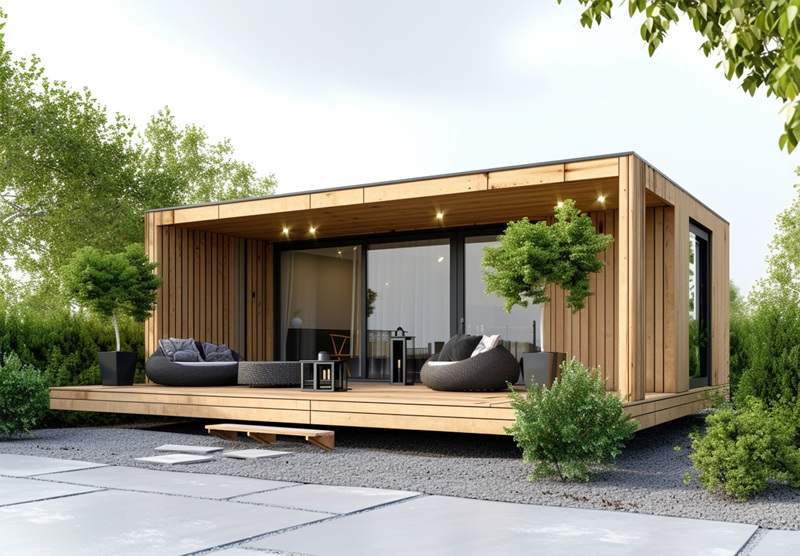
Current shipping container houses home designs favour clean lines, industrial accents, and connection to outdoor spaces. Floor-to-ceiling windows, timber cladding, and rooftop gardens feature prominently. Many owners embrace the container’s industrial heritage while softening it with warm materials.
Shipping Container Houses Housing Plans and Blueprints
When exploring shipping container houses blueprints, consider your lifestyle needs carefully. Shipping container houses housing plans range from compact studios to sprawling family homes. Work with experienced designers who understand the structural constraints and opportunities these builds present.
Essential Features and Practical Considerations
Getting the technical details right ensures your container home functions beautifully for years to come.
Shipping container houses Vent Systems and Climate Control
Proper ventilation prevents condensation and maintains air quality. A shipping container houses vent system might include passive vents, extraction fans, or integrated HVAC solutions. In Australia’s climate, adequate airflow is non-negotiable.
Container Lock Security Options
Quality container lock systems protect your investment during construction and beyond. Heavy-duty padlocks, lock boxes, and modern electronic options provide peace of mind. Consider your location and security requirements when selecting appropriate measures.
Plumbing, Electrical, and Off-Grid Possibilities
Container homes can connect to mains services or operate completely off-grid. Solar panels, rainwater tanks, and composting toilets make remote locations viable. Even urban container homes benefit from reduced utility costs through sustainable systems.
Building a Container Home in Australia: What You Need to Know
Navigating the practical aspects of building a container home in Australia requires preparation and research.
Council Approvals and Building Regulations
Container homes must meet the Building Code of Australia requirements. Council approvals vary by location—some areas welcome alternative housing, while others present more hurdles. Engage with your local council early to understand the approval process.
Choosing the Right Site
Not every block suits container construction. Consider access for delivery trucks, crane requirements, and orientation for passive solar design. Level sites with good drainage reduce preparation costs significantly.
Finding Reputable Suppliers
Research prefab container house suppliers thoroughly. Request references, visit completed projects, and verify insurance and warranties. A trustworthy supplier makes the difference between a dream home and a nightmare project.
.png "Shipping container houses Houses Explained: Costs, Benefits, and Design Ideas 3")
Are shipping container houses Homes Worth It?
Pros and Cons
The advantages—affordability, sustainability, speed, and durability—appeal to many buyers. However, limitations exist. Container dimensions restrict room sizes, and resale values remain uncertain compared to traditional homes. Some buyers also find financing more challenging.
Who Are Container Homes Best Suited For?
Container homes work brilliantly for singles, couples, and small families comfortable with compact living. They’re excellent for holiday homes, granny flats, or those prioritising sustainability over maximum space.
Conclusion
Shipping container houses offer an exciting alternative to conventional housing, combining affordability with sustainability and creative design possibilities. We’ve explored how much shipping container houses cost, discovered the range of prefabricated container homes available, and examined the practical considerations involved in building your own.
Whether you’re drawn to the environmental benefits, the budget-friendly nature, or simply the unique aesthetic, container homes deserve serious consideration. They’re not for everyone—space constraints and planning challenges require careful thought. However, for the right person in the right situation, a shipping container house can deliver everything you need at a price that doesn’t break the bank.
If you’re genuinely considering this path, start by visiting completed container homes in your area and speaking with owners about their experiences. Research local council requirements and connect with reputable suppliers. Your dream of homeownership might just be a shipping container houses away!